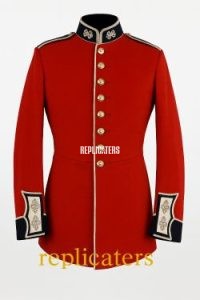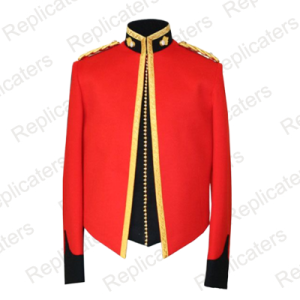


• Infantry Officer (circa 1850s): Scarlet tunic with gold braid, standing collar, and epaulettes. Worn with dark blue trousers and a sword belt—symbol of regimental pride. Comes with tunic +trousers+belt.
• Highland Regiment (circa 1870s): Doublet with silver buttons, tartan kilt, sporran, and feathered bonnet. A striking blend of tradition and military formality. Only Doublet + sporran is provided.
• Cavalry Trooper (circa 1880s): Dark blue tunic with yellow piping, leather gauntlets, and polished helmet with horsehair plume. Designed for mounted combat and parade. Comes without the helmet.
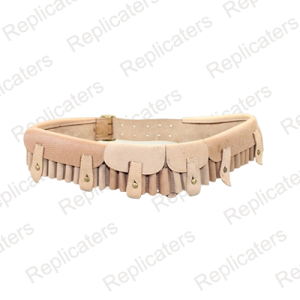
• Artillery Gunner (circa 1890s): Navy blue tunic with red facings, pillbox cap, and webbing for ammunition. Functional yet sharply tailored for field service. Comes with Tunic +pill box cap + webbing.
• Engineer Corps (circa 1860s): Tunic with black velvet facings, brass buttons, and insignia denoting technical rank. Practical and precise in design. Comes iwth tunic +buttons+insignia. Trousers available separately on this page.
• Medical Officer (circa 1880s): Scarlet frock coat with subdued trim, rank insignia on cuffs, and medical pouch. A dignified presence on campaign and in hospitals. Comes with Frock coat +insignia+medical pouch.
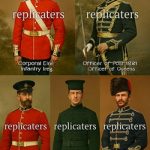
Step into the grandeur of the British Empire with this curated collage of Victorian-era military uniforms. Each ensemble reflects the distinct identity of its regiment—be it the proud scarlet of the infantry, the Highlander’s ceremonial tartan, or the cavalry’s polished elegance. Designed for both battlefield function and imperial pageantry, these uniforms showcase the craftsmanship, hierarchy, and heritage of 19th-century British military dress. Ideal for educational, archival, or display purposes.