

WW2 US ARMY UNIFORMS
Browse our curated collection.
Showing 1–16 of 64 results
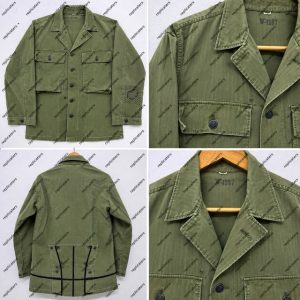

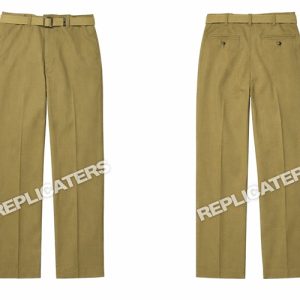
Original price was: USD 165.20.USD 103.84Current price is: USD 103.84.
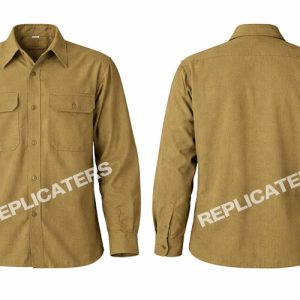
Original price was: USD 165.20.USD 113.28Current price is: USD 113.28.

Original price was: USD 212.40.USD 165.20Current price is: USD 165.20.
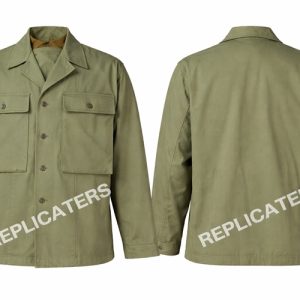
Original price was: USD 165.20.USD 153.40Current price is: USD 153.40.
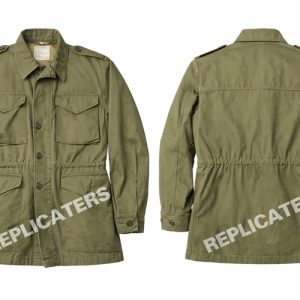
Original price was: USD 188.80.USD 167.56Current price is: USD 167.56.
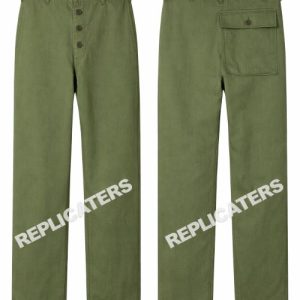
Original price was: USD 141.60.USD 103.84Current price is: USD 103.84.
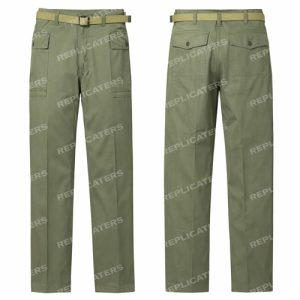
Original price was: USD 129.80.USD 103.84Current price is: USD 103.84.
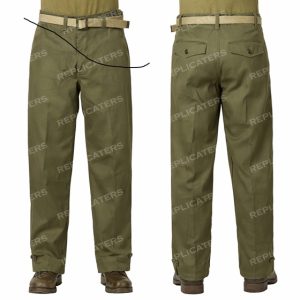
Original price was: USD 118.00.USD 103.84Current price is: USD 103.84.
Original price was: USD 165.20.USD 146.32Current price is: USD 146.32.
Price range: USD 21.24 through USD 68.44
Price range: USD 21.24 through USD 68.44

Original price was: USD 236.00.USD 212.40Current price is: USD 212.40.
Original price was: USD 188.80.USD 165.20Current price is: USD 165.20.

Original price was: USD 613.60.USD 590.00Current price is: USD 590.00.
WW2 US Army Uniforms Collection
If you are looking for authentic WWII US Army uniforms whether for reenactment, a film project, or a serious collection, this category is made just for you. At Replicaters, we do not just make uniforms; we bring history back to life, stitch by stitch.
In this collection, you will find WW2 US Army uniforms, WW2 US Navy uniforms, WW2 US Air Force uniforms, and iconic Marine Corps pieces, all carefully researched and based on historically accurate patterns.
When talking about US Army uniforms in World War II, it is important to understand that there were several types, each with its own purpose.
The first distinction was rank. Enlisted soldiers and officers had different uniforms. These differences ranged from minor changes in fabric to completely different uniform sets.
World War II was also the first time the US Army clearly separated combat uniforms, referred to as field uniforms, from garrison uniforms, referred to as service uniforms.
On top of that, specialized troops like armored soldiers and paratroopers had additional gear to help them perform their duties.
Built for authenticity, not just looks
This is not just a costume. Every product is inspired by original wartime references, whether it is the M41 field jacket, M43 combat uniform, or the classic wool mustard shirt.
We also use fabrics that are close to the original era, like olive drab wool, cotton twill, and herringbone (HBT) fatigue material. That means it looks real and feels real too.
Whether you are searching for reproduction WW2 US Army uniforms or a detailed officer service dress, there is something here for every level of enthusiast.
Explore our collection
- M1937 wool trousers & mustard shirts
- M41 & M43 field jackets (early to mid-war patterns)
- HBT fatigue jackets & trousers (combat-ready look)
- Paratrooper boots & service shoes
- Officer uniforms like “Pinks & Greens”
- Air Corps & aviator jackets (flight gear)
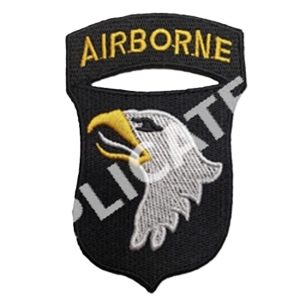
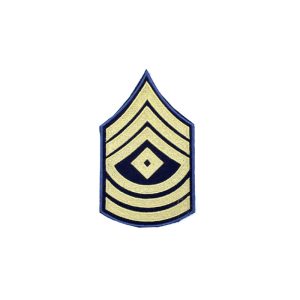
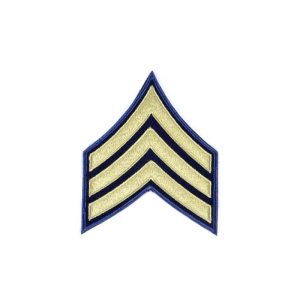
- Insignia, rank patches & accessories
Types of Uniforms used during WW2
Service Uniforms
Enlisted Service Uniform
As mentioned, enlisted and officer uniforms were different.
For enlisted soldiers, the service uniform had evolved since World War I. Back in 1918, the service tunic had an uncomfortable standing collar that was replaced in 1926 by a new coat with an open collar and labels, which also became part of the field uniform until 1941.
Soldiers wore a belt around this jacket until it was replaced with a proper field coat in 1941, leaving this coat solely as a garment in the service uniform.
Underneath, soldiers wore an olive drab flannel shirt, which could be worn open without a tie or closed with a cotton wool neck tie. This replaced the black mohair tie from 1940.
They also wore straight wool trousers standardized in 1938.
Officer Service Uniform
Officers wore a similar open collared coat authorized in 1940, originally worn with a Sam Brown belt until 1942, when it was replaced with a cloth belt.
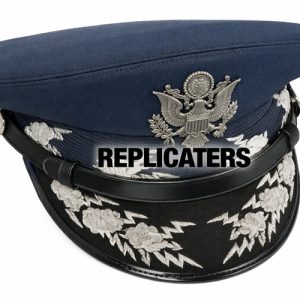
A service cap of a darker olive drab shade was worn with an officer eagle cap device.
They wore a pink shirt with shoulder loops, allowing for rank insignia when worn without the coat. Service trousers of the same olive drab color were worn with this uniform.
Additional cloth variations existed for officers, with the shirt, trousers, and garrison cap being available in different wool materials, as well as personalized uniforms being worn frequently by officers.
Summer Service Uniform
For both enlisted and officers, there was also a summer version of the service uniform.
The wool shirt and trousers were replaced with cotton khaki versions worn without a coat.
The convertible collar could be worn with a tie or left open, making it practical for tropical regions.
This summer uniform also served as the base for early field dress uniforms in hotter climates.
Field Uniforms
The introduction of the 1941 field jacket marked the point where the US Army began distinguishing between field uniforms and service uniforms.
In the early years of the Second World War, soldiers wore the M1941 field jacket as well as the ETO lined field jacket, first and second patterns.
Just a year later, in 1942, the US Army began developing a more universal combat uniform to replace the many different jackets and specialized coats that soldiers were using.
This eventually became the M1943 jacket, although it wasn’t until early 1945 that the uniform was delivered to the majority of troops.
Additional variants of field jackets included an Arctic jacket designed for extreme cool climates and a Meno coat.
Both of these were eventually replaced by the M1943 standardized field jacket.
Herringbone Twill (HBT) Uniform
Another type of field uniform was the herringbone twill fatigue uniform, commonly referred to as HBTs.
These replaced the blue denim fatigue uniforms of earlier years.
Dress Uniforms
Dress uniforms specified solely for officers provided a uniform for more formal occasions.
However, by 1943, the wearing of these uniforms became optional.
Officers wore a blue dress coat with four pockets and an open collar, along with blue dress trousers that were braided in their respective branch color.
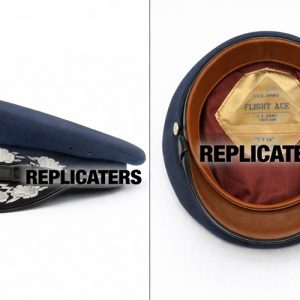
A blue dress cap with branch piping and eagle insignia was worn as the cover.
Officers would wear a blue dress belt around the coat.
A separate white version, with white versions of the uniform garments, was also specified for US Army officers.
Specialized Troop Uniforms
Armored Troops
Armored troops in World War II held a long-standing tradition from earlier cavalry and mounted units.
Greees were worn by certain mountain units until 1944, along with knee-high cavalry boots.
The HBT outfit discussed previously was used by armored troops as a one-piece coverall worksuit paired with an HBT work cap.
A specific cold weather combat uniform was developed for armored troops.
Airborne Troops
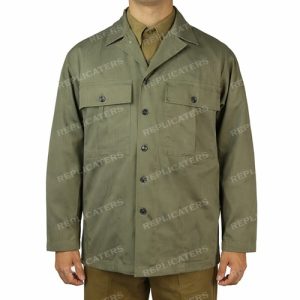
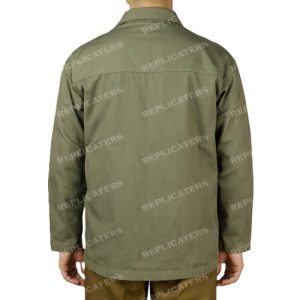
Airborne troops initially wore the one-piece HBT suit, later replaced with a jumper coat featuring four pockets and an attached belt.
Jumper trousers were also issued with similarly structured pockets to allow for ample storage.
Paratrooper helmets had special tin straps, and they wore high-laced boots for additional support and protection during jumps.
Built for reenactments, films & collections
These WW2 US reenactment uniforms are commonly used for:
- Historical reenactments
- Film and theatre productions
- Museum displays
- Personal collections
Fit, comfort & custom options
We understand that getting the right fit in WW2 US Army uniforms or WW2 US Navy uniforms is not always easy. Military uniforms have a specific structure, and standard sizes may not always fit properly.
That’s why we offer flexible sizing options. Many of our reproduction WW2 US Army uniforms and reproduction WW2 US Navy uniforms can be made according to your measurements. This helps the uniform fit better and feel more comfortable when you wear it.
Why do people choose Replicaters
We keep things simple for anyone looking for WWII uniforms:
- Different military branches available in one place
- Designs based on original historical references
- Options to buy full sets or individual items
- Suitable for reenactments, films, and displays
- Worldwide shipping available
If you are searching for a WW2 marine uniform for sale or complete WW2 US reenactment uniforms, this category offers practical options without making things complicated.
Ready to get started?
Explore the collection of reproduction uniforms and find the uniform that fits your need, whether it is not for reenactment, film, or your personal collection.
Take your time, compare the options, and choose pieces that help you build an authentic WW2 look with confidence.
FAQs
What’s included when I order a uniform?
It depends on the product. Some items are sold individually (like jackets or trousers), while others can be combined to build a complete WW2 US military uniform. You can mix and match based on your requirement.
Will the uniform feel comfortable for long wear?
Yes, the uniforms are designed to be wearable for longer hours. While they follow the structure of original WW2 uniforms, we make sure they are still practical for events, shoots, or displays.
