


We manufacture the following tents for the Australian & New Zealand army from the Colonial times, to WW1, the interwar period, to WW2. All of our tents are crafted to exact specifications prevalent at that time, well researched,, and fabrics made to the exact weave, weight and content that were used at that time. We have our own wet dyeing facility and a rot-resistance-making workplace. We have a carpentry shop for crafting wooden pegs and poles as per the original specification, and we use hemp/cotton ropes as required. We procure steel/brass grommets as required and have a metal workshop for pole ends.
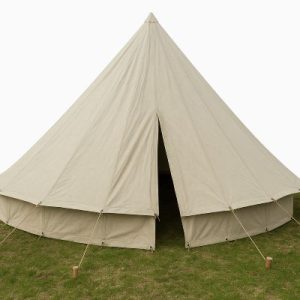
- Bell Tent (Colonial Pattern 12 ft): approx. 28 kg – heavy flax or linen canvas, tall central pole; British-made, common for militia camps.
- Bell Tent (Colonial Pattern 14 ft): approx. 33 kg – larger troop model with 10–12 guy ropes; used in long-term encampments.
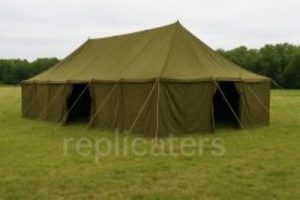
- Marquee Tent (Officer / HQ Type): approx. 42 kg – twin-pole rectangular canvas, timber ridge, heavy jute ropes.
- Wall Tent (Australian Colonial Service): approx. 38 kg – rectangular, tall sidewalls, improved ventilation for hot weather.
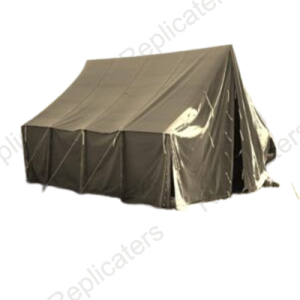
- Wedge or Ridge Tent (Light Infantry Use): approx. 14 kg – small, two uprights and one ridge pole; rough shelter for scouts or small detachments.
World War I (1914–1918)
- Bell Tent (British / Australian 12 ft GS Pattern): approx. 30 kg – khaki cotton duck canvas, central steel pole; standard issue at Gallipoli and Egypt.
- Bell Tent (British / Australian 14 ft GS Pattern): approx. 34 kg – for 8–10 men; often used in base depots and hospitals.
- Wall Tent (AIF Issue): approx. 32 kg – rectangular, tall sidewalls; used for stores and NCOs.
- Marquee Tent (AIF Officer / HQ): approx. 45 kg – rectangular double-pole tent; used for messes and command posts.
- Small Ridge Tent (Mounted Units / Signals): approx. 17 kg – lighter ridge-pole tent for 2–3 men.
- Field Hospital Marquee (Medical Corps): approx. 55 kg – extra-wide rectangular tent with inner flysheet for shade.
Interwar Period (1920s–1938)
- Bell Tent (Interwar Commonwealth Pattern): approx. 27 kg – slightly lighter due to improved canvas weave; still khaki cotton duck.
- Wall Tent (Interwar Type): approx. 30 kg – simplified fittings; issued to militia and training camps.
- Marquee Tent (Interwar Officer Type): approx. 43 kg – same structure as WW1 but lighter canvas.
World War II (1939–1945)
- Bell Tent (Australian Pattern 1940 12 ft): approx. 26 kg – lighter khaki cotton canvas, steel pole, rope with alloy sliders.
- Bell Tent (Australian Pattern 1940 14 ft): approx. 31 kg – larger capacity; tropical-proofed canvas.
- General Service (GS) Tent (6-man type): approx. 24 kg – square-based, low ridge, lighter frame; main troop tent in the Pacific.
- EPIP Tent (Australian HQ Pattern): approx. 36 kg – ridge-pole design, heavy-duty khaki canvas; used for HQs and signals.
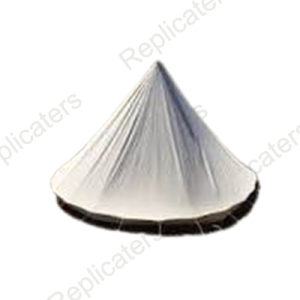
- Pyramid Tent (Pacific Field Type): approx. 20 kg – single pole, steep walls; quick to erect, widely used in New Guinea.
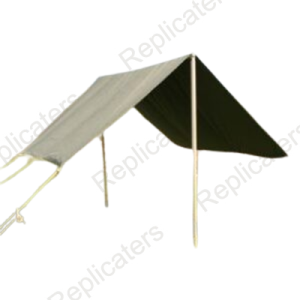
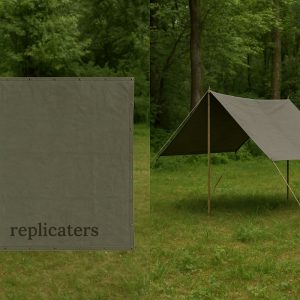
- Jungle Fly / Tarpaulin Shelter: approx. 7 kg – single waterproof canvas sheet with eyelets; tropical rain protection.
- Hospital / Command Marquee (WW2 Large Type): approx. 48 kg – double ridge poles, multiple panels; used for field hospitals and offices.
Difference Between Australian & New Zealand Tents:
In terms of origin, Australian tents were mostly of local manufacture, while New Zealand tents were initially imported from Britain and later produced locally.
For canvas weight, Australian tents typically used 8–10 ounce cotton duck, while New Zealand preferred a heavier 10–12 ounce cotton duck canvas.
The overall shade differed slightly, with Australian canvas generally in khaki drab and New Zealand canvas leaning towards a darker khaki-green tone.
Pole materials also reflected local resources: Australia used hardwoods such as spotted gum and ironbark, whereas New Zealand made use of rimu and kauri.
In waterproofing treatments, Australian tents were finished with linseed oil or wax and later received tropical proofing during ww2, while New Zealand tents were usually waxed or paraffin-treated for water resistance.
The official markings were distinct: Australian tents carried the “d^d” (department of defence) stamp, and New Zealand tents bore the “n ↑ z” ordnance marking.
Functionally, Australian tents were slightly lighter and better suited to hot climates, while New Zealand tents were heavier and more waterproof for damp environments. despite these differences, both nations’ tents were fully interchangeable in the field, sharing identical layouts, pole lengths, and dimensions.
In short, the designs of Australian and New Zealand tents were the same, but Australian versions were lighter and adapted for heat, while New Zealand models were heavier and optimized for moisture and cool weather. Both evolved from the same British army patterns and maintained complete functional compatibility throughout their service in ww1 and ww2.